
Discover the magic of
Uganda
The Pearl of Africa. Where Rolex isn’t just a watch, it’s breakfast.
(Come for the views, stay for the vibes and the matoke.)
Discover

Connect

Belong
.jpg)
Back to the Roots
Essentials that ground you.
Not just facts, but context.
Kampala is the beating heart of the country, loud, lively, and full of character.
Kololo is where the people dress up to be seen (and see who else showed up).
Ntinda is always active with food, bars, and bustle.
Munyonyo brings lakeside energy and soft life.
Kabalagala keeps the party going long past midnight.
Bugolobi is vibes + brunch + creatives. And if you’re not ending up at someone's rooftop after all that… did you even go out?
Jinja is where the Nile starts and the vibes flow. It’s the go-to for a weekend getaway when Kampala’s energy gets too much. Think riverside chills, lakeside BBQs, and adrenaline without the ego.
Luganda is the most widely spoken language, especially in and around Kampala, and traces its roots to the powerful Buganda kingdom.
English is the official language used in school and government.
Swahili is growing in trade and among young people. You’ll often hear a beautiful blend of all three on the same taxi ride.
Ugandan Shilling (UGX)
EAT (UTC+3) - EAT stands for East African Time
You’ll find Ugandan communities in the UK (especially London), the US (think Boston and Minnesota), and Canada (Toronto area). Many left during the Idi Amin era and 80s conflict, building tight-knit, culture-rich diasporas abroad.
Whether it’s your first homecoming or your yearly reset, the timing makes all the difference.
December - February:
This is peak homecoming season. Dry weather, wedding invites dropping left and right, and events every weekend. You’ve got:
Blankets & Wine Festival: think live music, sundresses, and vibes that feel like Nairobi + Kampala had a stylish baby.
Street food nights in Kampala, boat rides in Munyonyo, and those “let’s go out for one drink” nights that turn into sunrise.
Diasporas fly in heavy during this time, so the city’s buzzing — expect reunions, road trips, and real connection.
June - August
It’s also dry season, so weather-wise, it’s a win. This is the less chaotic cousin of December. Good for:Solo or family travel (especially if you're reconnecting with roots or showing someone your culture).
Exploring Jinja, the west (Mbarara, Kabale), or hiking in Sipi Falls without sweating buckets.
Still fun, but less FOMO. The perfect time for people who want ease without skipping the good stuff.
March - May & September – November
Rainy season can be unpredictable, but the country stays green and beautiful. If you don’t mind the odd downpour and enjoy quieter and slower vibes.💡 Diaspora Tip:
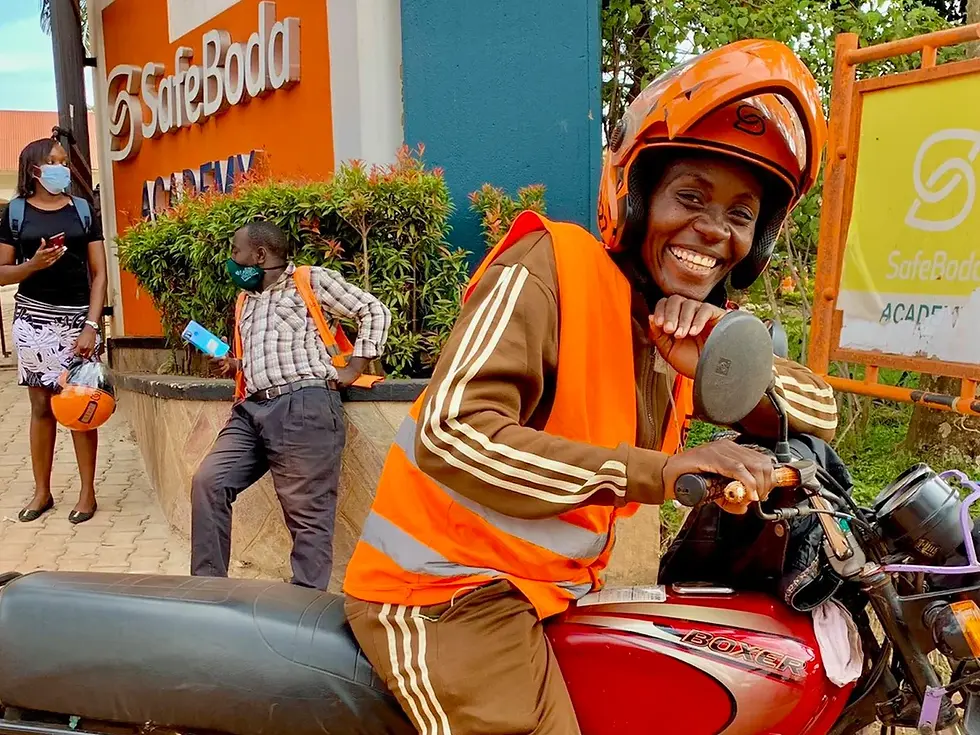
December gives full diaspora reunion energy.Uganda moves at its own pace. It’s that sweet combo of lakeside calm and boda boda chaos. The people are warm, the music’s always on, and if you haven’t had a Rolex at 2am in Kampala… you’re not done yet.
Taste the Culture
Flavour and pure seasoning for the taste buds

Rolex
Uganda’s finest street snack... Eggs, veggies, and chapati rolled like a Rolex. Cheap, cheerful, and undefeated after a night out.
It won’t tell time, but it will change your life. And yes, it’s more satisfying than the watch.

Matoke
Steamed green bananas, soft and comforting... Like a food hug from your favourite auntie.

Ebijanjalo
Slow-cooked beans packed with flavour and love. The type of dish that shows up humble but holds the whole plate together. Don’t sleep on it.
Talk That Talk.
Phrases to drop like you never left.

Everyday Greetings
Luganda (spoken by the Baganda people)
“Gyebale Ko” - Hello (A respectful greeting)
“Oli otya?” – How are you? (A general greeting)
"Hello"- (A general greeting)
Greetings in a Few of the Major Languages Spoken In Uganda
Runyankole/Rukiga (spoken by the Banyankole people): “Agandi” is a common greeting.
Acholi: “Wa-ye” or “Wa-ye pe” can be used to greet someone.
Lango (spoken by the Langi people): “Yaa” or “Yaa leka” are common greetings.
Rutooro (spoken by the Batoro people): “Oraire ota” is a common greeting.
Ateso (spoken by the Iteso people): “Apwoyo” or “Emor” can be used as greetings.
Alur: “Amari” or “Aribire” are common greetings.
Local Sayings or Proverbs
“Omwana takulila nju emoi” - A child does not grow up only in a single home (community raises children)
“Akatono akatono kakuzalira enene” - Small by small makes a big one
Cultural Archives.
Not your average travel blog. This one’s got roots.
Read up, feel seen, go deep.

